
How did the coronavirus (COVID-19) start?
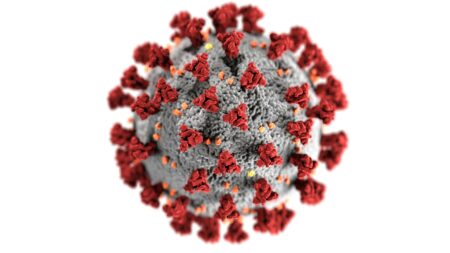
The coronavirus disease (COVID-19) is caused by the SARS-CoV-2 virus, a new strain of coronavirus that was not previously identified in humans. The first known cases were reported in December 2019 in Wuhan, Hubei province, China. Scientists believe the virus most likely originated from a seafood and live animal market in Wuhan, where it might have jumped from an animal host (possibly bats or pangolins) to humans. Coronaviruses are a large family of viruses that can cause illness in both animals and humans. In humans, they can cause respiratory infections ranging from the common cold to more severe diseases like MERS (Middle East Respiratory Syndrome) and SARS (Severe Acute Respiratory Syndrome).
How did it spread worldwide? After the initial outbreak in Wuhan, COVID-19 spread rapidly due to high human-to-human transmission. It can be transmitted mainly through: Respiratory droplets when an infected person coughs, sneezes, or talks. Close personal contact. Touching contaminated surfaces and then touching the face (especially eyes, nose, or mouth). In January 2020, cases started appearing in other countries, leading the World Health Organization (WHO) to declare it a Public Health Emergency of International Concern on January 30, 2020. On March 11, 2020, WHO declared COVID-19 a global pandemic. Governments worldwide imposed travel bans, lockdowns, social distancing measures, and mask mandates to try to slow the spread. Vaccination campaigns began globally in late 2020 and early 2021, which helped reduce severe illness and deaths.

How many people died globally? As of mid-2025, it is estimated that over 7 million people have died globally due to COVID-19, according to the World Health Organization and other official sources. Here are some approximate numbers: In the first year (2020), more than 1.8 million people died. In 2021, about 3.5 million additional deaths were reported as the virus continued spreading before vaccines became widely available. In later years (2022–2025), yearly deaths gradually declined due to mass vaccination and improved treatments, though new variants continued to cause outbreaks. Besides the direct deaths, millions more suffered from long-term health problems known as “Long COVID,” which affected their daily life and work.

Key takeaways

COVID-19 started in Wuhan, China, in December 2019.
Spread worldwide mainly through respiratory droplets and close contact.
Declared a global pandemic in March 2020.
Over 7 million people have died worldwide as of 2025.
Vaccines and public health measures have helped reduce severe cases and deaths, but it remains an important public health concern.